Les 10 Meilleurs Parcs et Espaces Verts à Découvrir à Boisbriand

Boisbriand isn't just another suburb on Montreal's north shore—it's a city where parks and green spaces shape daily life. This guide maps out the ten best spots to stretch your legs, pack a picnic, or let the kids burn off energy. Whether you're new to the area or you've lived here for years, there's likely a corner of Boisbriand you haven't explored yet.
What Are the Largest Parks in Boisbriand for Family Outings?
The biggest green spaces are Parc Édouard-Gagnon and Parc de la Croix—both offer enough room for family gatherings without feeling crowded.
Parc Édouard-Gagnon sits near the heart of town. You'll find baseball diamonds, a soccer field, and a playground that doesn't skimp on climbing structures. The splash pad runs during summer months—bring towels because the kids won't want to leave. There's a paved loop around the perimeter, popular with dog walkers and joggers alike.
Parc de la Croix takes a different approach. Named after the large cross that once marked the area's Catholic heritage, this park blends history with open green space. The hilltop location means you'll catch a breeze on humid July afternoons. Picnic tables are scattered under mature trees—maples, mostly, planted decades ago.
Both parks connect to Boisbriand's trail network. You can walk from one to the other without touching a major road. That's rare in suburban Quebec, where car culture usually dominates.
Where Can You Find the Best Walking Trails Near the Rivière des Mille Îles?
The Corridor des Cheminots and Parc des Bâtisseurs offer the most scenic riverside paths—flat, well-maintained, and surprisingly peaceful given how close you are to residential streets.
The Corridor des Cheminots follows an old railway bed that once connected Boisbriand to Laval. It's part of the larger Route Verte cycling network, but walkers get equal priority here. The Boisbriand section runs roughly 4 kilometers, bordered by wildflowers in summer and goldenrod come September. You'll spot herons fishing in the shallow water if you're quiet.
Parc des Bâtisseurs sits closer to the water's edge. It's smaller—just a few hectares—but the boardwalk section lets you get close to the marsh ecosystem without getting your shoes wet. Canada geese love this spot (fair warning: they leave evidence of their visits). The park's name honors the builders who developed this area in the 1960s and 70s, transforming farmland into the neighborhood you see today.
Early mornings here are special. The river reflects the sunrise, and the traffic noise from Boulevard de la Grande-Allée hasn't ramped up yet. Bring coffee. Take your time.
Which Parks Have the Best Playground Equipment for Young Children?
Parc du Domaine-Charbonneau and Parc des Lumières stand out for toddlers and elementary-aged kids—modern equipment, rubberized surfaces, and shade structures that actually work.
Parc du Domaine-Charbonneau underwent renovations in 2022. The new play structure includes accessible features—ramps wide enough for wheelchairs, sensory panels, and swings with harness supports. It's the kind of inclusive design more Quebec municipalities are adopting (and should be). The surrounding neighborhood is quiet, residential, the kind of place where grandparents push strollers on weekday mornings.
Parc des Lumières—named for the streetlights installed during the area's first development phase—caters to a younger crowd. The equipment here suits ages 2 to 8. Slides aren't terrifyingly tall. Sandboxes are deep enough for serious castle construction. Parents can supervise from benches positioned at useful angles.
Here's the thing about Boisbriand playgrounds: the city invests in them. You won't find rusted, decades-old metal structures that burn kids' legs in August. Maintenance crews seem to actually visit regularly.
The Complete Park Breakdown
Not every park suits every need. This table sorts Boisbriand's green spaces by what they do best:
| Park Name | Best For | Key Features | Parking Situation |
|---|---|---|---|
| Parc Édouard-Gagnon | Sports & splash pads | Baseball, soccer, water play | Large lot, often full on weekends |
| Parc de la Croix | Picnics & views | Hilltop location, mature trees | Street parking on adjacent roads |
| Corridor des Cheminots | Cycling & long walks | 4km path, river views | Multiple access points, limited spots |
| Parc des Bâtisseurs | Nature observation | Boardwalk, marsh access | Small lot, often adequate |
| Parc du Domaine-Charbonneau | Inclusive play | Accessible equipment, quiet setting | Residential street parking |
| Parc des Lumières | Toddlers | Age-appropriate structures, shade | Limited—arrive early |
| Parc du Boisé | Forest immersion | Wooded trails, birdwatching | Minimal—this one's for locals |
| Parc des Érables | Fall colors | Maple grove, photo opportunities | Street parking nearby |
| Parc des Pins | Skateboarding & teens | Skate park, basketball courts | Dedicated lot, rarely full |
| Parc de la Seigneurie | Quiet reflection | Pond, minimal development | Easy street parking |
Are There Hidden Green Spaces Most Visitors Miss?
Absolutely. Parc du Boisé and Parc de la Seigneurie fly under the radar—no splash pads, no sports fields, just trees and trails.
Parc du Boisé (literally "Wooded Park") lives up to its name. A narrow entrance off Rue de la Commune leads into a pocket of forest that somehow survived decades of suburban development. The trail loops about 1.5 kilometers through deciduous woodland—oak, birch, the occasional white pine. In spring, trilliums carpet the ground. Birders have spotted 40+ species here, including the occasional barred owl.
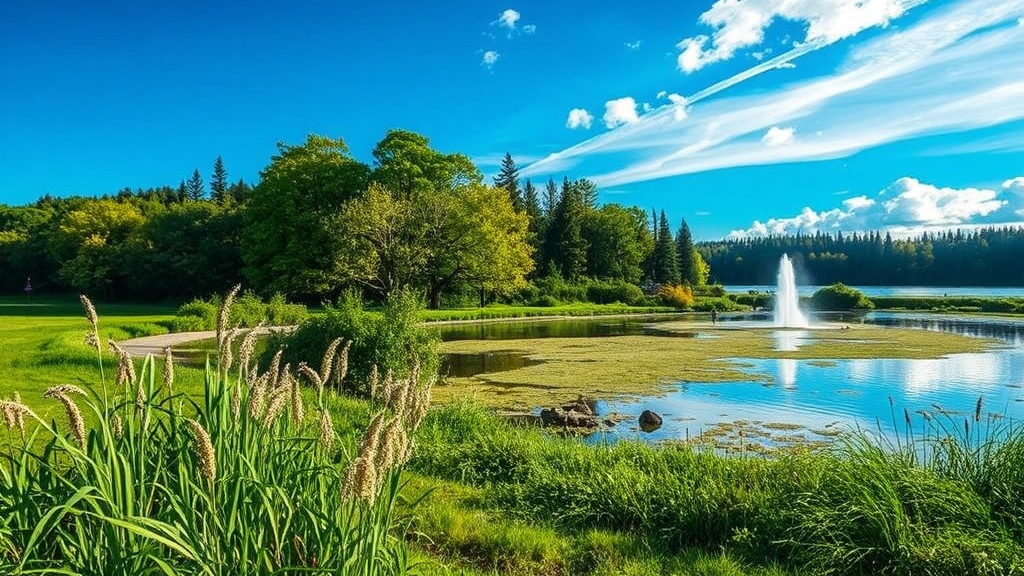
Parc de la Seigneurie centers on a small pond—more of a large pond, really—surrounded by cattails and willows. No playground. No facilities to speak of. Just a bench or two facing the water. It's where you go when you need to think, or when you want to introduce a child to frog-spotting without leaving city limits.
The catch? Neither park has much parking. You walk there from your neighborhood, or you don't go. That keeps the crowds away—and that's not a bad thing.
What About Winter Activities in Boisbriand Parks?
The city doesn't hibernate. Several parks transform into cold-weather destinations worth bundling up for.
Parc des Pins maintains its skate park year-round (hardcore boarders don't mind the cold), but the adjacent field becomes a sledding hill once snow falls. It's gentle enough for younger kids, steep enough to generate real speed. The city installs temporary fire pits on weekend afternoons—marshmallows not included, but the setup invites you to stay awhile.
Parc Édouard-Gagnon converts its baseball diamonds to outdoor rinks when temperatures cooperate. The ice isn't NHL-quality—expect bumps and cracks—but it's free, it's local, and the pickup hockey games draw regulars who've been skating here since childhood. Bring your own stick.
Even the Corridor des Cheminots gets winter use. The flat, cleared path attracts cross-country skiers after snowstorms. You'll see families with sleds pulling toddlers, couples walking hand-in-gloved-hand, the occasional ambitious cyclist with fat tires.
Which Parks Host Community Events and Festivals?
Parc Édouard-Gagnon and Parc de la Croix handle most of Boisbriand's public gatherings—concerts, Canada Day celebrations, the occasional winter carnival.
The city publishes its event calendar through boisbriand.ca—worth checking before you plan a quiet visit. A Tuesday evening that looks perfect for solitude might coincide with a concert series drawing hundreds of neighbors. That said, stumbling upon live music while walking the dog isn't the worst surprise.
Parc de la Croix hosts the smaller, more intimate events. Think outdoor yoga sessions, historical walking tours, community picnics organized by local associations. The hilltop setting makes fireworks viewing spectacular—if the city schedules a display, this is where to watch.
Worth noting: both parks rent equipment for larger gatherings. If you're planning a family reunion or a wedding reception (yes, people do this), you can reserve covered areas through the city's recreation department. Don't expect luxury—basic shelters, picnic tables, access to washrooms. Functional, affordable, very Quebec.
Practical Tips for Park Visitors
- Bring mosquito repellent from June through August—the marsh-adjacent parks get buggy at dusk.
- Water fountains aren't always working. Pack bottles, especially for summer visits.
- Dogs are welcome in most parks but must be leashed. Parc du Boisé officially requires leashes; unofficially, locals know the times when enforcement is relaxed.
- The best light for photography at Parc des Bâtisseurs is early morning, when mist rises off the river.
- Winter parking at Parc Édouard-Gagnon fills fast on rink days—arrive before 10 AM.
How Do Boisbriand's Parks Compare to Neighboring Cities?
Boisbriand punches above its weight for a city of roughly 28,000 residents. Compare to Rosemère or Sainte-Thérèse—similar populations, similar tax bases—and Boisbriand offers more accessible green space per capita.
The difference is planning. Boisbriand developed later than some neighbors (major growth hit in the 1980s and 90s), so city planners could set aside land before property values exploded. The result is parks integrated into neighborhoods, not stuck on the outskirts. You can walk to green space from most residential streets.
That said, Boisbriand doesn't have the mega-park that draws visitors from across the region. Parc national d'Oka is twenty minutes west. The Parc national du Mont-Saint-Bruno sits southeast. Boisbriand's parks serve locals first, tourists second—which is exactly how residents prefer it.
Parc des Érables deserves a final mention. It's small—maybe two hectares—and exists primarily as a maple grove. Come October, the red and gold canopy attracts photographers from across the Greater Montreal area. The rest of the year, it's a pleasant shortcut between residential streets, a bit of woodland magic on your commute to the grocery store.
Boisbriand's parks won't make international travel lists. They don't need to. They serve the people who live here—families looking for weekend activities, retirees seeking peaceful walks, teenagers needing somewhere to skateboard without getting yelled at. That's the point of municipal green space, isn't it? Not to impress outsiders, but to make daily life better for the people who call this place home.